
This week, strap in for a ton more creator-affiliate convergence content. YouTube rolled out its Shopping Affiliate Programme in the UK and Grace Andrews gives us the scoop on owning audiences. Fatima Khan also breaks down why LinkedIn is an underutilised goldmine for B2B creators and we hear about the tools, challenges and future of influencer and creator marketing.
We’ve also got the biggest moves across affiliate, performance and the creator economy in July, the new EU AI transparency rules, and share research on AI hesitancy at checkout. Plus, we share some of the key takeaways from the Phia situation and launch our first PI LIVE Europe keynote. More on that below 👀.
Now, let’s roll with the news.
In today's newsletter:
- Pick of the day: YouTube Shopping Affiliate Programme Announces UK Rollout at CreatorFest 2026.
- Trending: IP Moves Creators From Renting to Owning Their Audiences, Says Grace Andrews.
- Industry Insight: What Can Affiliates Learn From the Phia Situation?
Pick of the day
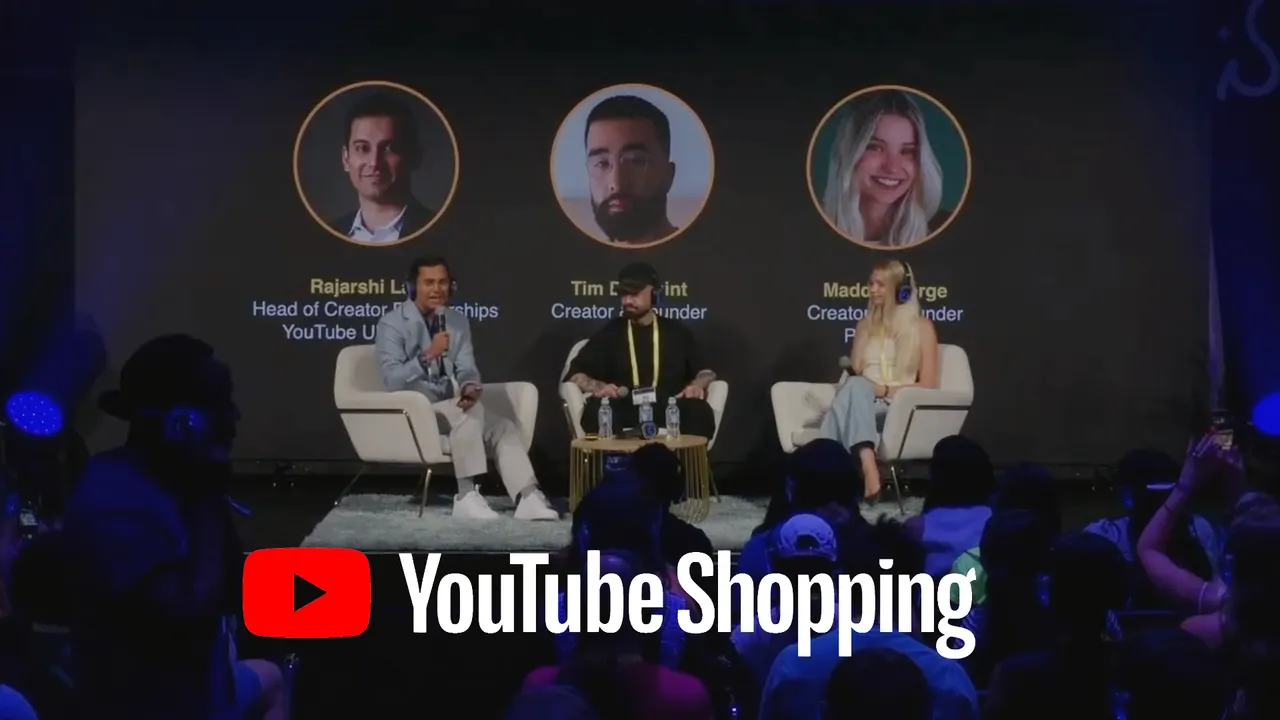
YouTube Shopping Affiliate Programme Announces UK Rollout at CreatorFest 2026
At CreatorFest 2026, YouTube’s Head of Creator Partnerships for the UK&I officially launched the highly anticipated YouTube Shopping Affiliate Programme.
Through the programme, UK creators will be able to tag brand products and earn affiliate commissions directly through the platform.
“Your content might already be shoppable,” said YouTube’s Head of Creator Partnerships for the UK & Ireland, Rajarshi Lahiri. “It's just YouTube shopping will be there to enable some of that, some of those conversations with your audience.”
Trending
What's hot on Hello Partner right now
AI-Generated Content Under Regulatory Spotlight as EU AI Act Takes Effect
With AI-generated content on the rise, the new rules aim to improve transparency for users.
Kantar’s Vera Sidlova on the Tools, Challenges & Future of Influencer and Creator Marketing
Sidlova says that on the horizon, she expects more questions about whether authenticity can be scaled.
Market Movers: July 2026
Here are the job moves, investments, and launches that caught our eye this month.
B2B Creators are Sleeping on LinkedIn, Says LinkedIn Tea’s Fatima Khan
Only 1 to 3% of LinkedIn users actively post content on the platform, says Khan.
AI Hesitancy for Online Shopping Witnessed Across Generations, Research Finds
While AI adoption is high, searchers don’t yet trust AI-automated checkouts.
IP Moves Creators From Renting to Owning Their Audiences, Says Grace Andrews
According to the Creator Entrepreneur, creators should ditch algorithm-hacking in favour of thinking and building like a studio.
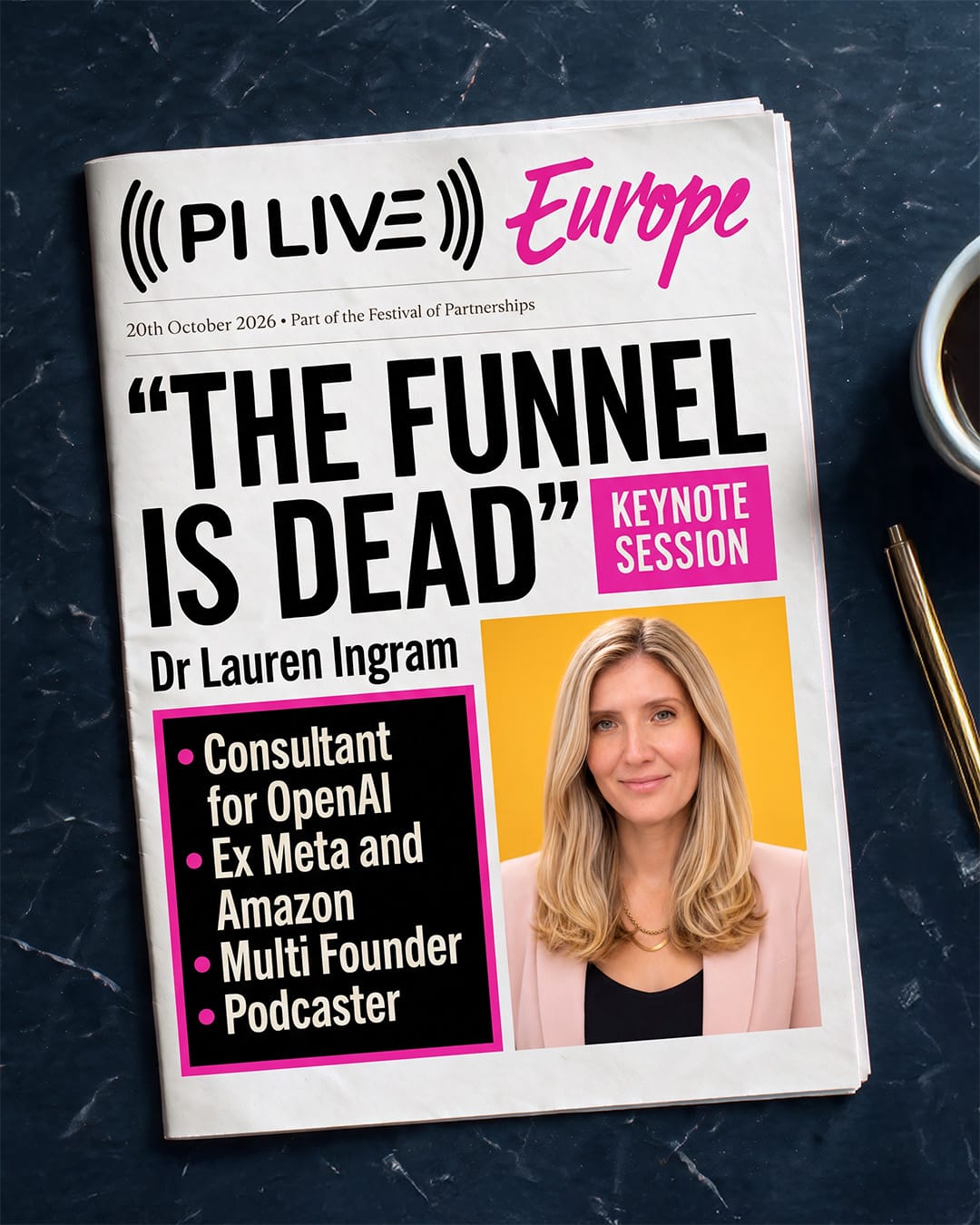
PI LIVE Europe Unveils Dr Lauren Ingram as Keynote
In October, PI LIVE Europe - Festival of Partnerships returns, bigger and better than ever. Three days, a multi-venue campus, two new summits — AI & Partnerships Summit and the Influencer & Commerce Summit — and bountiful expert insights and opportunities to take you to the next level.
Following our theming unveiling last week, today we’re launching our first keynote, marketing and AI leader Dr Lauren Ingram, who’s set to delve into the biggest structural shift we’ve seen in 25 years: the end of the funnel.
"Most of us have spent years learning how to win in search and social. AI is changing the rules again. I'm looking forward to helping marketers understand what's changing, what's not, and where the biggest opportunities lie,” says Dr Ingram.
To get your ticket to Europe’s largest gathering of the partnership economy, head over here.
Industry Insight
Stay at the top of your game
This week’s industry insight comes from Priscilla N., and it’s all about Phia takeaways.
According to Priscilla, there are significant takeaways to be had from the situation, for everyone from affiliate marketers and creators to merchants, networks, and product teams.
Priscilla notes that software can change attribution outside of a shopper's visibility, and while a creator might be responsible for product discovery and piquing interest, credit might actually go to another partner when a tracking event takes place closer to purchase.
There are also blind spots to keep track of, from iOS Safari to static code.
“Shipped code may show what software can do, but server delivered feature settings and runtime decisions can affect what it actually does for a specific device, version, or session,” says Priscilla.
Alongside this, Priscilla highlights what she calls an “increasingly important distinction” as consumer journeys become more fragmented.
“Affiliate tracking tells us who received credit. Attribution integrity asks how the credit was assigned and whether the evidence supports that it was validly earned.”
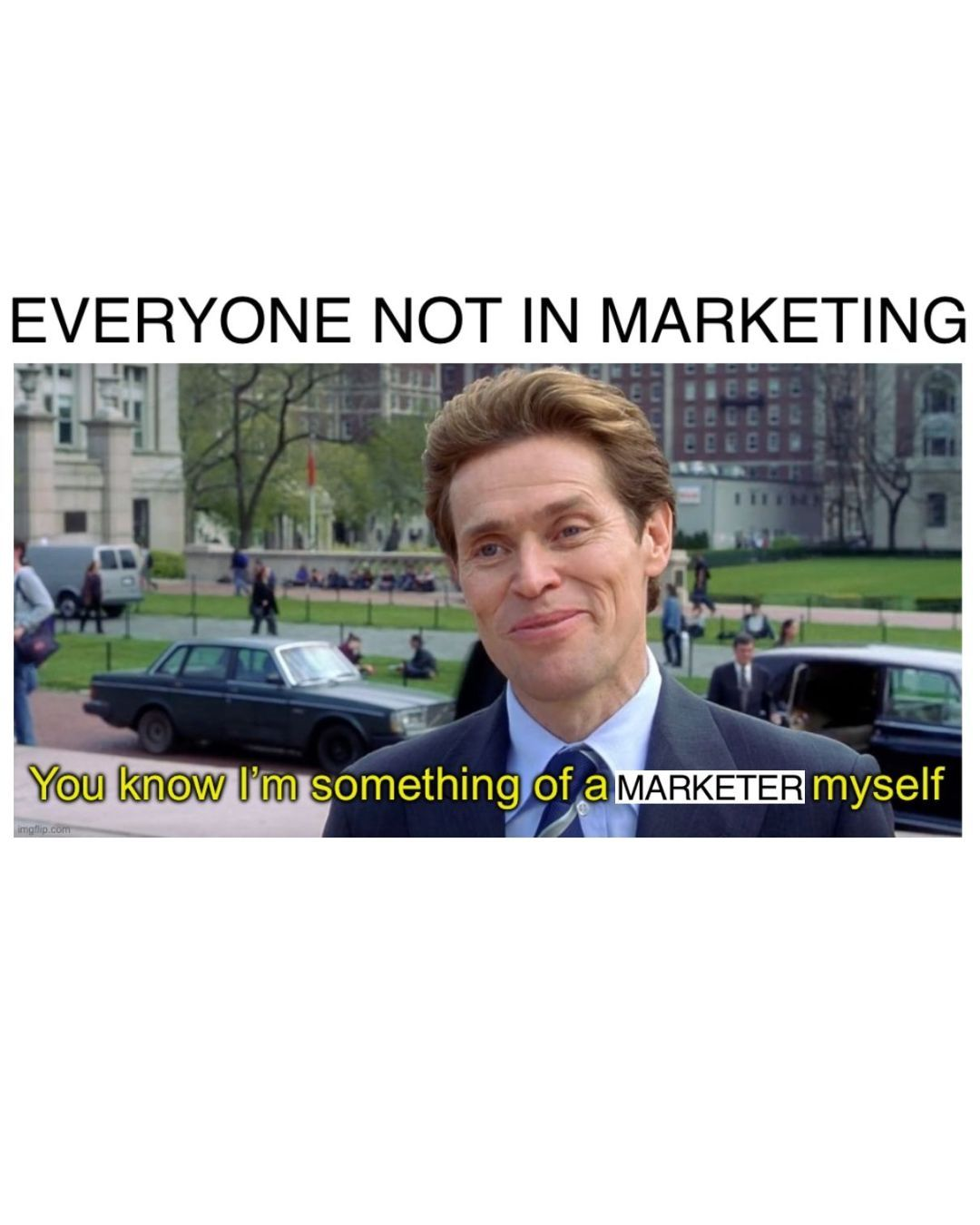
Amusing Affiliates
Jobs
Company: Imperial College London
Location: London Area, UK
Get your company in front of 6,500+ affiliate & performance marketers by sponsoring this newsletter!
Browse our full media kit for a range of activations across Hello Partner.
Until next time,

|
Madaline Dunn Community Editor Email me Connect with me on LinkedIn |


