

Creator-led experiences have long been seen as the next step to engage communities, but this week, one high-profile cancellation has exposed just how fragile that model can be. Especially when it comes to the unorthodox: a creator cruise.
Northernlion, or Ryan Gary Letourneau, abruptly cancelled his planned SuperCruise event just days after announcing it, citing safety concerns for both creators and fans. The six-day cruise, which promised meet-and-greets, live shows and onboard content with fellow streamers, was set to take place in 2027.
Many creators have taken the leap into IRL experiences because it works: take a loyal audience, package access into a premium real-world experience, and deepen community engagement offline. It’s a classic opportunity for success in 2026.
In reality, the backlash caused more problems than expected.
The limits of creator monetisation
The SuperCruise hit a nerve with many Northernlion fans upon its announcement.
Fans questioned everything from pricing (with entry-level cabins reportedly starting in the thousands) to safety concerns, with many unsure whether the announcement was even serious.
Also, it felt out of step with Northernlion’s established persona, which is built on a relatively grounded, authentic streaming style.
The decisive factor in cancelling the cruise for Letourneau was, of course, safety.
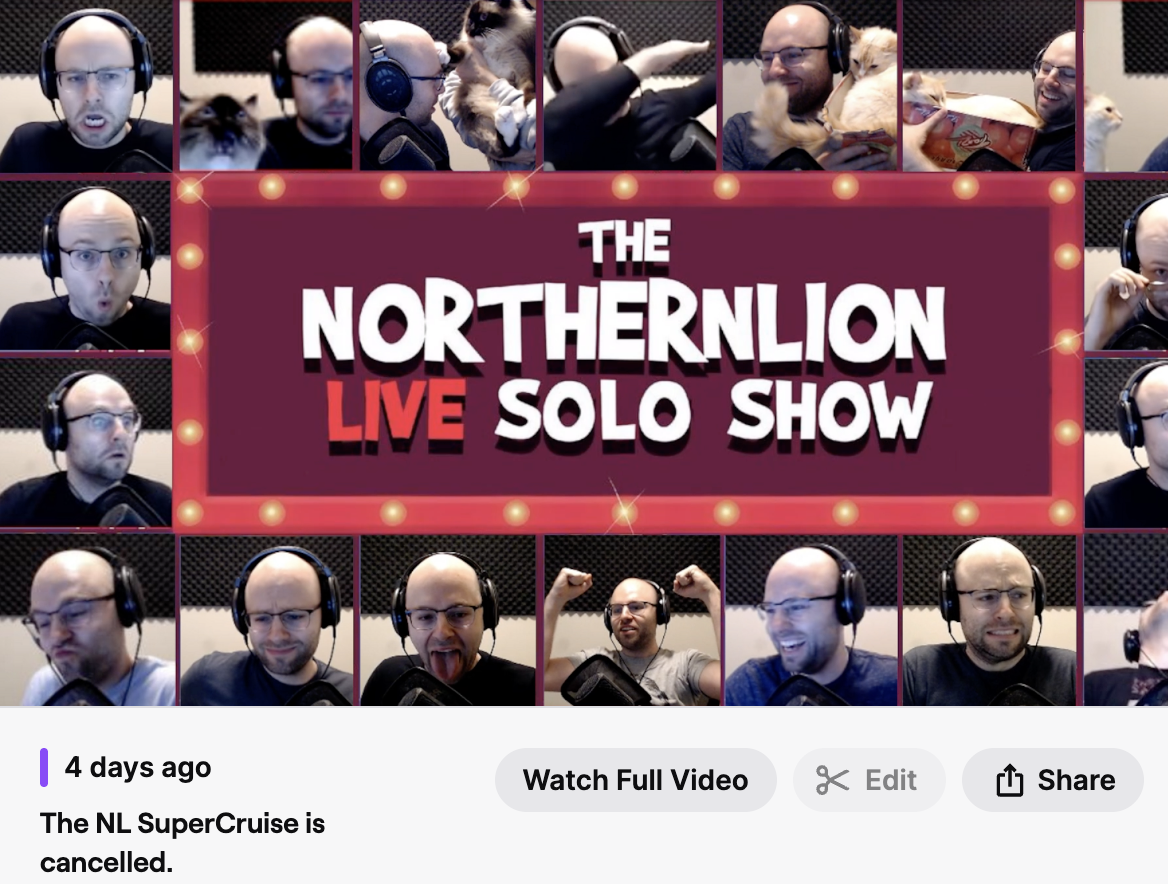
In a follow-up livestream, the creator described growing increasingly uncomfortable after reading audience concerns, particularly around what could happen if something went wrong onboard. Health issues, crowd control, and general duty of care all became harder to ignore at scale.
That highlights a structural issue with IRL creator events: they introduce a level of operational and legal risk that most creators aren’t equipped to handle.
Running a cruise isn’t the same as running a Discord community or livestream. It involves a myriad of logistics and safety planning.
These are areas where traditional entertainment companies have the upper hand with entire teams. Most solo creators don’t have that access.
A warning for brands and creators
This is a useful case study for brands, creators and influencer marketers looking to create IRL experiences.
There’s a clear appetite for deeper, more immersive fan engagement. But execution risk scales quickly, especially when:
- Pricing for large-scale events pushes into premium territory
- Events involve travel or extended stays
- The creator’s brand doesn’t naturally align with the format
It also raises questions about responsibility. If a brand had been attached to an event like this, the reputational risk wouldn’t sit solely with the creator.
The future of creator-led experiences
This doesn’t mean IRL experiences are too risky to run. If anything, they remain one of the most promising areas for growth in the creator economy.
But the SuperCruise cancellation suggests the model needs to mature. A positive direction could look like partnerships with event operators, smaller experiences and closer creator alignment. Also, which Northerlion did consider in the end, safety first.
Furthermore, Northernlion ultimately described the cruise as a “miscalculation” and promised refunds to fans who had already booked. Taking accountability and providing refunds was an important step to rebuild audience trust for any future IRL experiences he puts on.
But zooming out, it’s a reflection of a creator economy that’s still figuring out how far it can stretch beyond digital content. The ambition and demand are there, but the infrastructure isn’t always keeping up.


