
For affiliates, the landscape is changing — but perhaps not in the way that you’d think.
Against the backdrop of industry controversy, AI transformation, and shifting consumer behaviour, brands are changing the way they approach the marketing funnel, with a renewed demand for top-of-funnel.
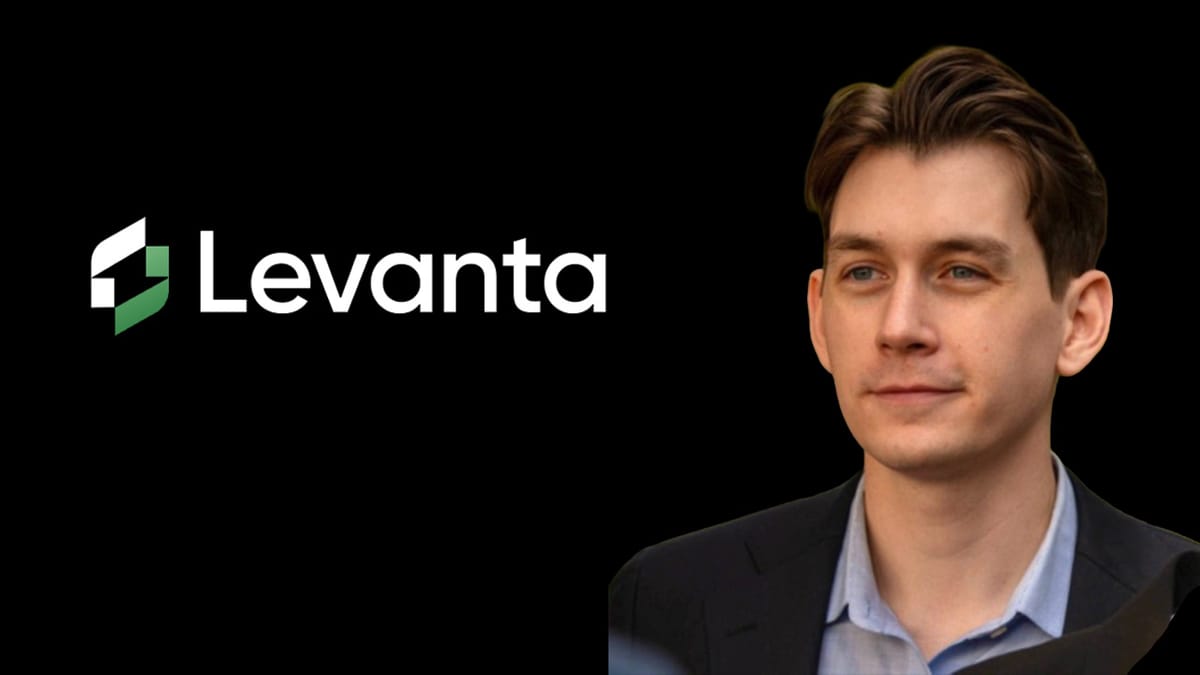
According to Levanta CEO Ian Brodie, while AI is rewriting product discovery, only around 10% of consumers are clicking on LLM links.
“They're then leaving the platform and getting other trusted reviews,” said Brodie.
This means that while brands still seek visibility within LLMs, creator content is the mainstay of both consumer discovery and decision-making, he explained.
Alongside this, editorial content and content are increasingly fuelling LLM recommendations.
Brands lock in on creator content
Recent Omniscient research found that off-page content now dominates branded LLM citations.
Meanwhile, according to Acceleration Partners’ data, over 80% of the citations used in LLMs stem from ad-funded websites.
“So, it's important to go after content creators and editorial placements for more reasons than immediately meet the eye,” said Brodie.
And this is exactly what brands are doing, he said, noting that sellers are asking for proactive investment in creator content, in what he explained is a course correction from bottom-funnel overrepresentation.
Indeed, creator economy ad spend ballooned to $37 billion in 2025, up 26% year-over-year, according to the Interactive Advertising Bureau (IAB).
With this growing demand, finding new ways to bring sellers and creators together on top-of-funnel content is a priority for Levanta, Brodie explained, and is the focus of its new feature, Paid Placements.
Balancing risk
The feature, which launched today, aims to alleviate the risk traditionally placed on affiliates, with a hybrid payment model.
Through the feature, Levanta’s marketplace allows sellers to discover, purchase, and track paid placement opportunities, whether that’s an Instagram video or a YouTube review, with the added option to pair it with affiliate links.
Brodie said that this approach means that rather than all the money being paid upfront, or all paid on RevShare, it can be split down the middle: some paid upfront and some paid on a RevShare, as the performance happens.
“We're a marketplace that's matching and tracking this relationship through to the end and making sure that people get paid correctly, and hold up their end of the bargain,” Brodie noted.
And when it comes to the larger funnel attribution debate, the Levanta CEO said that innovation across the industry is now coming into view, from multi-touch attribution to setting private commissions on a per-affiliate basis.
But AI has a role to play here, too, with a number of AI solutions coming on to the scene that more intelligently understand attribution, Brodie said.
Two worlds collide
Looking ahead, the Co-Founder said that there are a number of major market forces at play for the industry to navigate, with shrinking margins for sellers being one.
“Tariffs play a part in that, the broader economy plays a part in that, but also increased PPC costs,” said Brodie.
Within this context, the industry is zoning in on avenues for more efficient marketing spend and methods to consolidate tooling — something that Levanta is targeting.
“Historically, affiliates and creators were very separate things,” said Brodie, noting that now, these previously disparate spaces are colliding, and Levanta wants to be the marketplace where they merge.
“Not only that, we want to be marketplace agnostic,” he added. “That's a big play for us; we want to be the affiliate and creator platform for everywhere you sell online.”