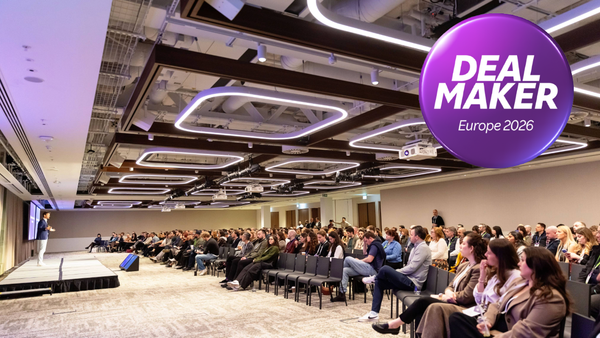

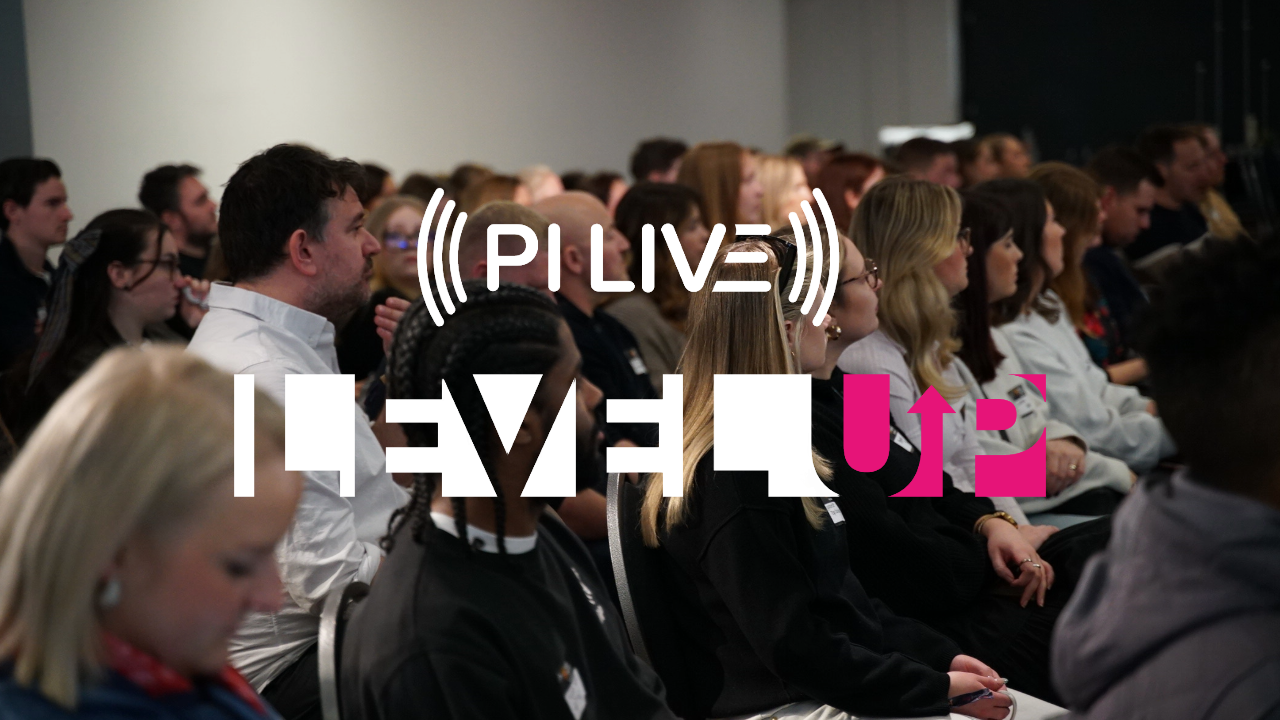
Last week, PI LIVE Level Up brought together a diverse range of experts and industry players to zone in on the skills that set professionals on the path to success.
From confidently negotiating to breaking free from creative constraints, this jam-packed afternoon demonstrated the importance of coming together for a collective “aha!” moment.
Getting weird with it
Industry icon Amy Kean kicked off the afternoon with a show-stopping keynote on the science of saying no to ‘normal’.
“It's never been more important to be different,” said Kean. “This is so critical in this industry. It is almost impossible to be remembered unless there’s something different about you.”
Kean brought a treasure trove of case studies that demonstrated how creativity thrives when people dare to be different and how innovation can explode even when we’re forced to work within structure.
And Haikus, LEGO, and The Beatles have more in common than you’d think.
A three-line structure never stopped Haikus from becoming arguably the most-recognisable form of poetry; six two-by-four Lego bricks can form 915,103,765 different combinations, and The Beatles became the biggest band in the world, using four-track technology.
“My general lesson is don’t be disruptive, just be weird,” said Kean. “Because I absolutely guarantee in this world that will not stop moving, it’s probably the weird ones that will win.”
This keynote set the stage for a day of doing things differently.
Know when to walk away
Simon Hares, Founder and Managing Director of SerialTrainer7 Ltd, equipped attendees with the tools they need to master negotiations.
One key piece of advice? In sales, relevance beats difference every time. While you don’t have to be different from competitors, you need to be able to articulate to prospective clients why you're relevant to them.
It’s also important to go into negotiations with clarity around static and flexible variables.
And in deals, while you should begin by aiming high, enter knowing your minimum requirements and be prepared to walk away.
The personalisation route
Meanwhile, Dean Seddon, CEO of MAVERRIK, shared valuable insights into how to get the most out of LinkedIn.
Seddon spotlighted the importance of the four-second value proposition and optimising LinkedIn profiles, which he said can do the heavy lifting in terms of pre-selling and education.
And outreach? Get creative and personalise. Here, Vidyard and Loom can be great tools.
“Some of our clients are getting a 17 and 18% meeting booking rate from doing them, because in an age when everybody’s going AI and automation, actually going the opposite way gets a much better response.”
Communication frameworks
For navigating leadership, Suzanna Chaplin, Co-Founder and CEO of esbconnect, set out the frameworks for building confidence.
Chaplin shared that it’s important not to shy away from a follow-up.
“Over-communicate if you want a message to actually land with your team – three times is ideal to say the same thing.”
It’s also key to have consistency in messaging. “In times of change, work out who your champions are in the business and make sure they are repeating your message — don’t let negativity spread.”
And in an AI-first environment, remember to bring your leadership training with you.
“In the future, we will be managing not just people but AI agents. The same leadership tactics can apply across both.”
Using AI responsibly and effectively
In our AI session, James Bentley, Director of Artificial Intelligence Strategy at Awin Global, laid out practical tools for using AI responsibly and effectively.
Bentley outlined that, with AI platforms regularly shifting around in the rankings, if you’re using AI as a generalist, it’s a good idea to switch it up and find what works for you, while also keeping an eye on new specialist tools.
And when utilising AI for prompts, always give context, format and tone in the prompt for the best response, and when giving examples, use AI to refine them.
The AI Strategy Director also provided the workshop with practical insight into AI’s full capabilities, having given over his second laptop entirely to AI.
Using this AI-led laptop, Bentley was automating performance reports and interacting with the machine through a private chat box.
But while when it comes to AI the possibilities are almost endless, ultimately, Bentley shared that users are the responsible person in their relationship with AI and own the response, so words of wisdom: be careful.
Fixing friction
In an industry built on relationships, learning how to de-escalate and establish psychological safety is paramount.
Maira Genovese, Founder and CEO of MG Empower, led a session that provided the toolkit for exactly this.
Genovese outlined that sometimes, it’s about reframing the way we look at situations.
While we often consider pressure as a negative force, Genovese explained that professionals are in the driver’s seat when it comes to choosing the outcome. Whether positive or negative, pressure always creates change.
She also shared an important tip: “You can destroy a relationship in just two emails — never try to resolve a conflict by email!”
Stakeholder mapping — it’s an art
This theme of navigating relationships continued into the Art of Stakeholder Mapping session, run by Tanya Larsen, CEO and Co-Founder of questionZERO.
Larsen reminded the workshop that regardless of someone’s title, we’re all human beings, and it’s about finding the right method of communication and targeting the right people: who are the decision-makers and what are their pain points?
And when communicating across departments and external parties, it’s essential to ensure your message is clear, aligned and understandable for everyone.
Larsen also highlighted the value of face-to-face interactions when working with structural changes and international teams to build relationships and maintain engagement.
Getting comfortable with the uncomfortable
Our day ended with an insightful keynote from Simon Hares, who underlined the importance of stepping outside of your comfort zone.
Hares acknowledged that while cold outreach can feel uncomfortable, it remains as important as ever for expanding reach, business opportunities and partnerships.
“You won’t grow if you don’t talk to people you don’t know,” said Hares.
But his number one tip? Activate video message. It’s easy for a message to sink into an endless sea of text, but video? That stands out, and people can’t resist pressing play.
Keep your eyes peeled for exclusive interviews with Maira Genovese and Simon Hares on Hello Partner, where we’ll break down the most important tips for communicating with confidence and the value of building psychological safety.