
If you’re working in the creator economy, it’s easy to feel disconnected from the rest of the industry. For an industry built on connection, much of our networking ends up confined to LinkedIn feeds and DMs. We build a LinkedIn presence in isolation, quietly guessing what works.
Lately, I’d been questioning my own approach to the platform. So when a small creator-focused event popped up in London last week, hosted by LinkedIn creators, I decided to see what it might offer.
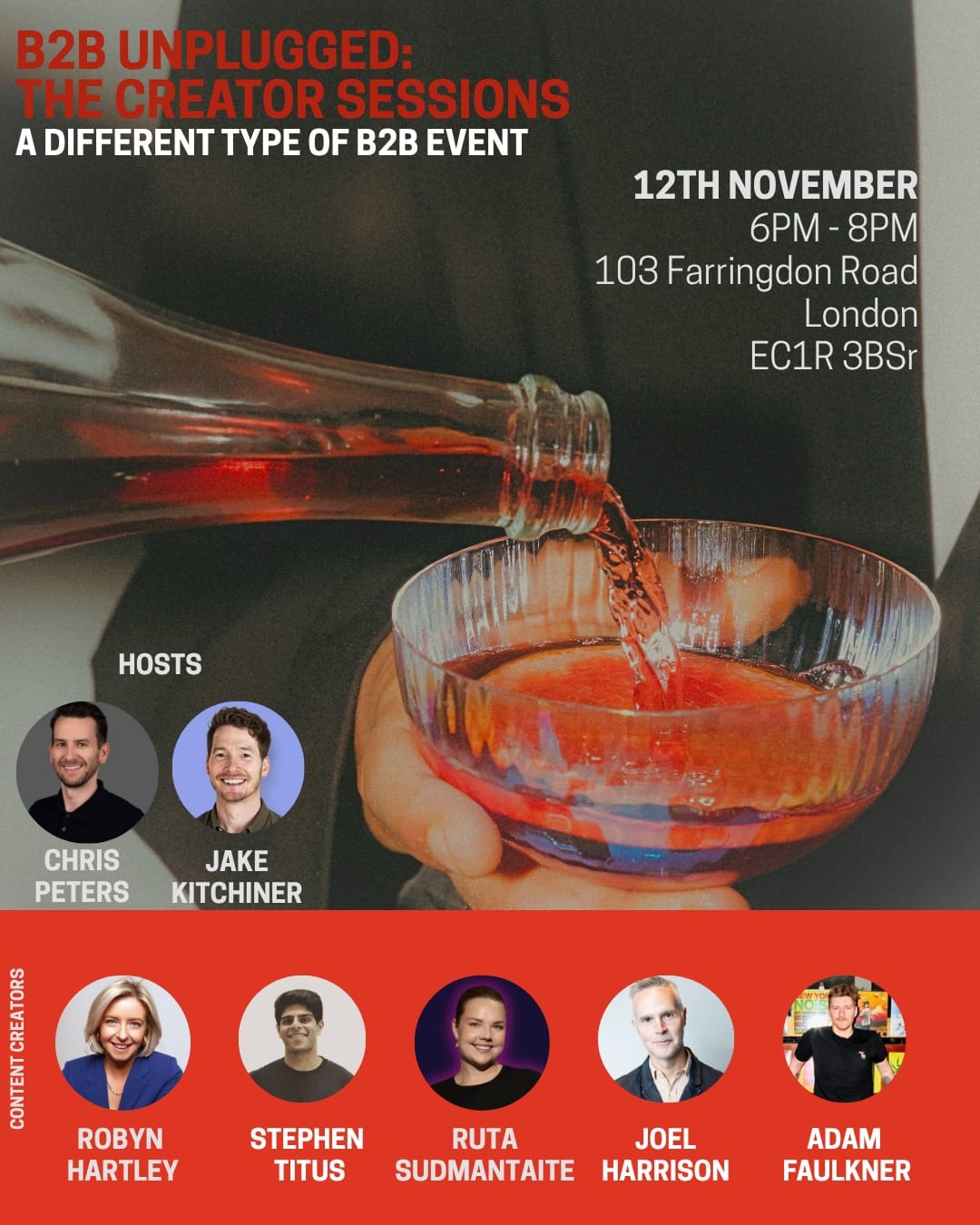
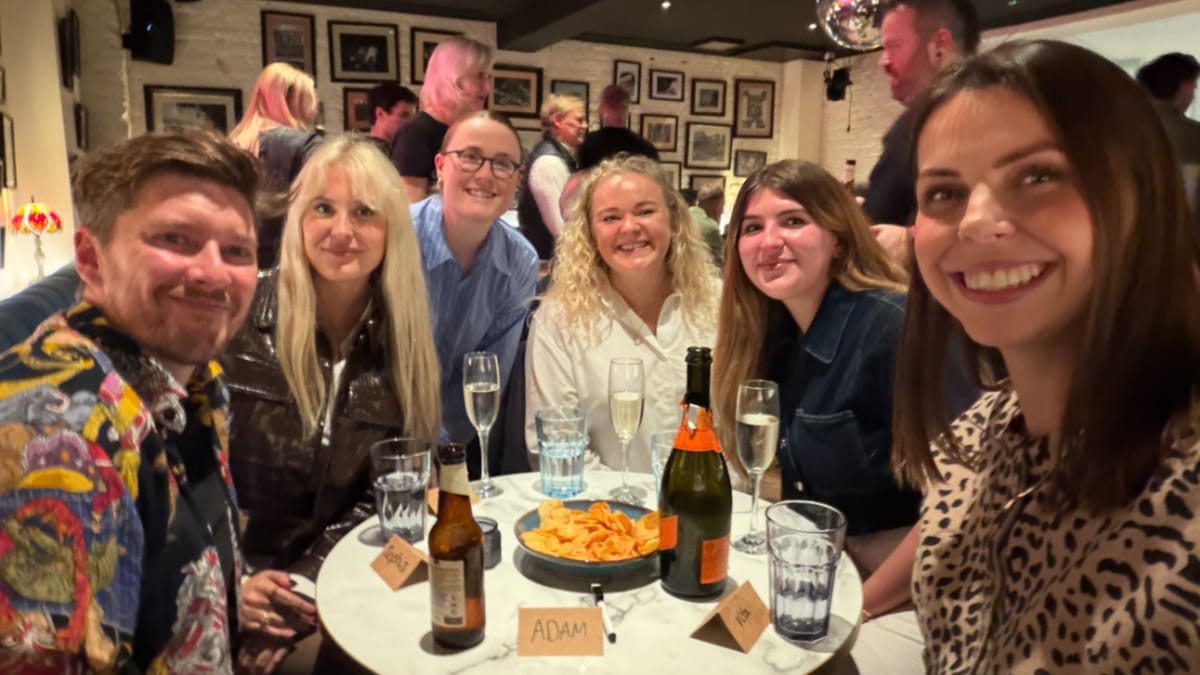
Created by Jake Kitchiner, ChannelCrawler Founder and Chris Peters, B2B Marketing Partner at Wavemaker, B2B Unplugged: The Creator Sessions was an intimate affair. With just 30 people in the room, I went in with one aim: to understand how other professionals are actually approaching LinkedIn in 2025.
LinkedIn has become a central part of how we build our professional identities, yet most of us are still figuring it out as we go. Hearing creators, strategists, and brand marketers talk openly about their habits and missteps made it clear how much of this work happens behind the scenes.
Instead of a formal agenda, we jumped straight into an honest, cross-disciplinary discussion about what's working, what’s not, and how we could help each other get where we needed to be. The level of candour was refreshing and is what truly defined the day.
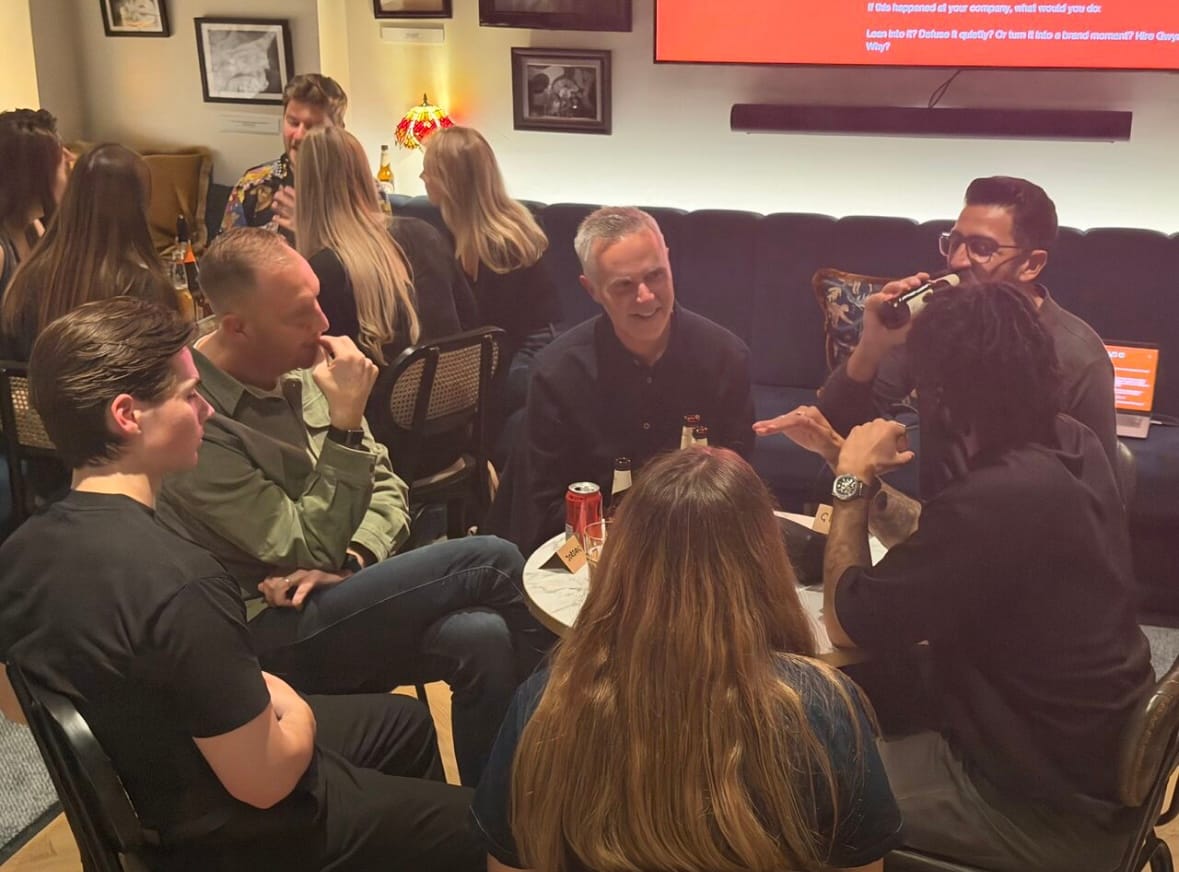
The conversations I had quickly translated into actionable steps for my own content strategy and LinkedIn presence. Here are some of the key things I learnt:
Your LinkedIn presence is your ticket
The thread that kept resurfacing for me was how our professional identities are shaped by the way we show up online. Hearing other people talk openly about their approach to the platform made me realise how much I’d been treating my own LinkedIn presence as an afterthought.
It's all about personal growth and access. Becoming a recognised name is what gets you invited into the rooms where industry strategy is actually being formed: a single post can get you an invitation to discuss the future.
Collaboration is the new competitive edge
A recurring theme was the shift away from guarding industry secrets. The creators in the room were openly sharing insights, discussing failures, and revealing behind-the-scenes realities that you’d only hear about by asking.
This openness signals a broader transformation: collaboration is replacing competition. The collective belief was that by sharing what didn't work, we could all accelerate the growth and professionalisation of the creator economy as a whole.
Imposter syndrome is real
As a 23-year-old creator economy journalist who has been in the industry less than a year, imposter syndrome is something I’ve grappled with many a time. While I don’t have mountains of experience in the industry, the peers at my roundtable were consistently pushing me to believe in myself and begin posting, because, as one person put it, “nobody really knows what they’re doing.”
The need for depth
These intimate industry moments aren’t happening by accident. They reflect a need for depth over sheer reach, because people need a blend of tailored advice and professional panels.
The hosts, who were LinkedIn superstars and industry vets, are now actively stepping into educator roles. They leveraged their experience to build the structured, intimate rooms they once wished they had.
For me, I took away learning points, but also a newfound confidence to begin my LinkedIn journey. Sometimes you just need somebody who’s done it before to tell you that it actually isn’t that scary at all.