For more than a century, the BBC has been the embodiment of public-service broadcasting: centrally funded, trusted as an institution, and distributed through carefully controlled channels. Its decision to lean into a platform-native future signalled something profound. Traditional broadcasters, it seemed, had accepted that the centre of gravity had shifted.
Now, the pendulum has swung the other way
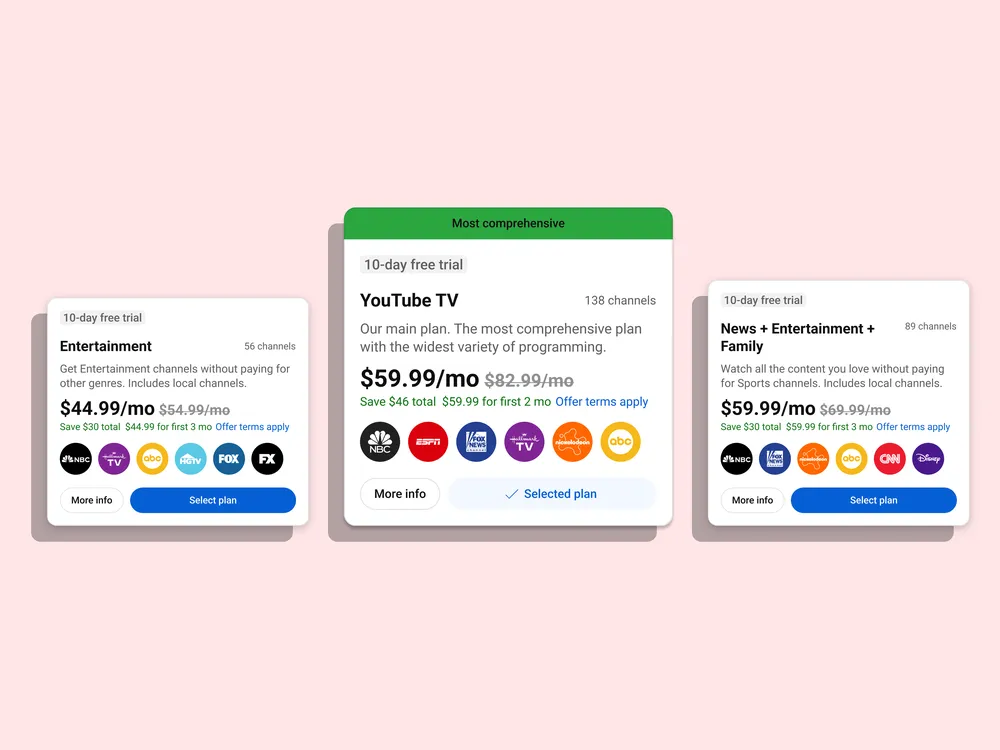
With the launch of new tiered subscription bundles under YouTube TV, YouTube is edging closer to the very model it once disrupted.
The new plans, spanning sport, news, entertainment and family channels, offer lower-priced bundles built around familiar broadcast networks. Unlimited DVR, multi-user accounts and premium add-ons remain, but the structure is unmistakable: curated channel packages designed like traditional TV.
These two industry developments point to the same conclusion. The future of entertainment is no longer a battle between traditional television and streaming platforms, and those who continue to think that way will be left behind.
Hello Partner! Want to read more?
Register for free to become a member and enjoy reading the rest of this article.